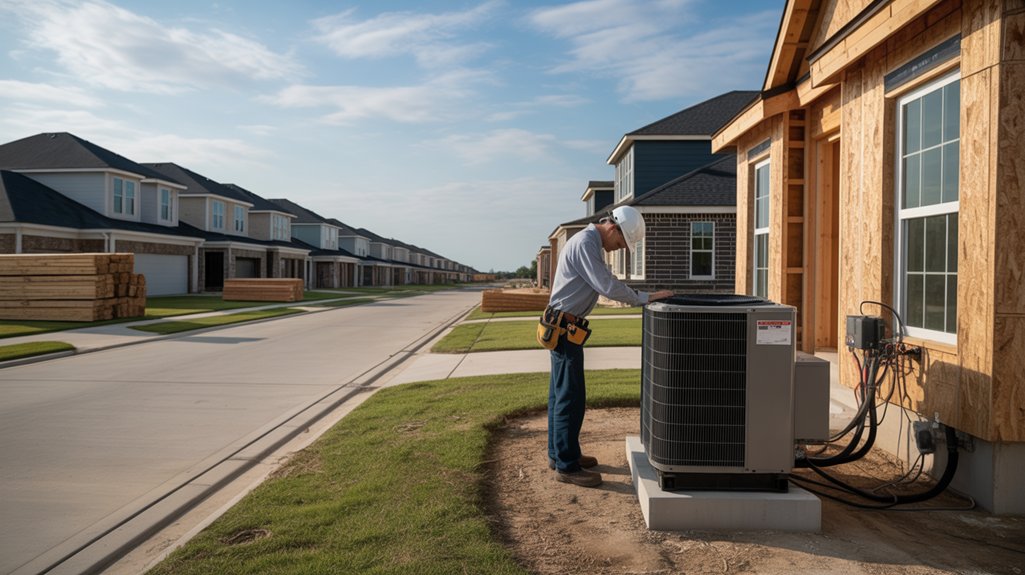

Like a house built on a shaky foundation, a new home in Fulshear can hide problems you won’t see right away. You need an HVAC company that knows local heat, humidity, and new-build quirks before small mistakes turn into costly fixes. The right team gives clear estimates, proper sizing, and licensed service, but not every contractor earns that trust, and the difference may be more important than you think.
Main Points
- New Fulshear builds need HVAC pros to avoid sizing, ductwork, and setup mistakes that cause uneven temperatures and weak airflow.
- Local HVAC experience matters because Fulshear homes face long hot seasons, high humidity, and new-construction system challenges.
- First post-move-in inspections catch loose parts, drainage issues, wiring concerns, and startup problems before comfort drops.
- Good technicians verify thermostat setup, filter fit, airflow, and system match to the home’s insulation and layout.
- Trustworthy HVAC companies provide licensed, insured service, written estimates, clear communication, punctual visits, and respectful cleanup.
Why Fulshear’s New Builds Need HVAC Pros
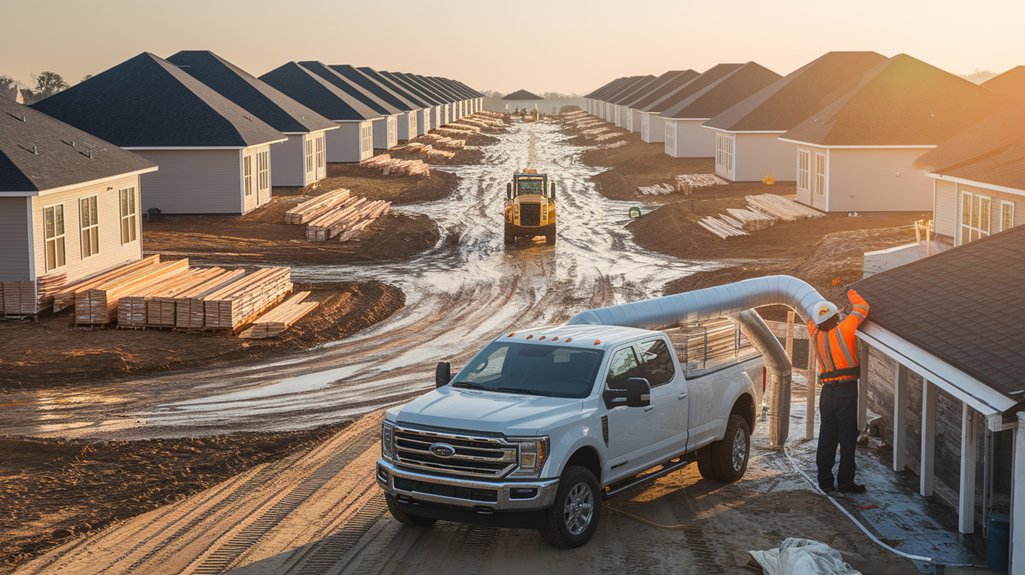
Fulshear’s new homes may look move-in ready, but their HVAC systems still need a pro’s touch to run right. You’re dealing with tight construction schedules, mixed equipment brands, and ductwork that has to fit your home’s exact layout.
Even small installation mistakes can leave you with uneven temperatures, weak airflow, or a system that works harder than it should. A trusted HVAC company checks refrigerant levels, verifies electrical connections, balances airflow, and confirms the system matches your home’s size and insulation.
That matters in Fulshear’s heat, where comfort and efficiency depend on precision. When you hire a pro, you protect your investment, reduce surprise repairs, and give your new build the reliable performance it should have from day one.
What New Homeowners Should Expect First
You should expect a first system inspection soon after move-in, so an HVAC pro can catch any issues before they grow.
You’ll also need help setting up your thermostat and learning the basic controls that keep your home comfortable.
After that, check airflow and filters so your system runs efficiently from day one.
First System Inspection
Before the first heating or cooling season, a full system inspection helps catch small issues before they turn into costly repairs. You should expect a technician to check indoor and outdoor units, electrical connections, refrigerant lines, drains, and airflow. This first visit confirms your new system was installed correctly and is running safely.
| Checkpoint | What it Means | Why It Matters |
|---|---|---|
| Visual review | Look for damage or loose parts | Prevents early breakdowns |
| Performance test | Measure startup and cycling | Confirms proper operation |
| Safety check | Inspect wiring and drainage | Reduces hazards |
You’ll also get clear feedback on anything that needs attention, so you can act before comfort drops or energy bills climb. Keep the report for your records and future service.
Thermostat Setup Basics
After the system inspection, the next step is setting up your thermostat so your new HVAC equipment runs the way you expect.
You’ll want to confirm the thermostat matches your system type, whether it’s standard, heat pump, or multi-stage. Set the date, time, and your preferred temperature schedule before you assume anything’s wrong with the equipment.
If your thermostat is smart, connect it to Wi-Fi and update the app so you can adjust settings from your phone.
Keep the mode on cool, heat, or auto as needed, and make sure the fan setting reflects your daily comfort preferences.
If the screen looks odd or the readings seem off, ask your HVAC technician to recalibrate it before moving on.
Airflow And Filter Checks
Next, check airflow and the filter so your new system can move air efficiently from the start. You should feel steady air at each register, not weak gusts or noisy whistling. If one room feels off, your ducts may need balancing or a vent may be closed.
Inspect the filter right away, because new construction dust can clog it fast and strain the blower.
- Verify the filter size matches your unit.
- Replace a dirty filter before the first long run.
- Ask your HVAC tech to measure airflow and static pressure.
These quick checks help your system cool evenly, protect components, and keep indoor air cleaner. When you move into a new Fulshear home, you don’t want hidden airflow problems stealing comfort or driving up energy bills.
HVAC Company Red Flags to Avoid
When you compare HVAC companies, watch for hidden service fees that can turn a simple quote into a costly surprise.
You should also ask for clear proof of licensing before you let anyone start work.
If a company dodges either question, that’s a red flag.
Hidden Service Fees
Hidden service fees can turn a simple HVAC repair into a much bigger bill, so you should always ask for a clear, itemized estimate before work begins. If a company won’t explain trip charges, diagnostic fees, parts markup, or after-hours rates, treat that as a warning sign. You deserve to know exactly what you’re paying for and why.
- Ask whether the quote includes labor, materials, and cleanup.
- Confirm if the company charges for travel or small “administrative” add-ons.
- Get approval before any extra work starts.
A trustworthy technician talks through costs upfront and updates you if anything changes. When you compare bids, look beyond the lowest number and check for vague line items. Clear pricing protects your budget and helps you avoid surprises when the job’s done.
Poor Licensing Proof
Poor licensing proof is a major red flag because a reputable HVAC company should be able to show you current state licensing and insurance without hesitation.
If they dodge your request, give vague answers, or send expired documents, walk away. You’re trusting them with your home’s comfort, safety, and expensive equipment, so you need proof they meet Texas requirements and carry proper coverage. Without that, you could be stuck paying for damage, unsafe work, or incomplete repairs.
Ask for license numbers, verify them with the state, and confirm insurance is active. A trustworthy company won’t get defensive when you ask. They’ll be ready with clear documentation, because transparency shows professionalism and protects you before any work even starts.
How a Trustworthy HVAC Company Works
A trustworthy HVAC company starts by listening to your needs, inspecting your system carefully, and explaining what they find in plain language.
You get clear recommendations, honest pricing, and a plan that fits your home and budget.
They respect your time, arrive when they say they will, and keep you informed at every step.
You should expect professionalism from the first call to the final walkthrough.
- They answer your questions without pressure.
- They document their findings so you can compare options.
- They treat your home with care and leave the work area tidy.
When you choose a company like this, you feel confident that your comfort comes first.
That trust matters in a fast-growing community like Fulshear, where your home deserves reliable service and straightforward communication.
Repairs and Maintenance for New Homes
Even new homes in Fulshear need regular HVAC repairs and maintenance to keep them running efficiently. You may think a brand-new system should work perfectly, but construction dust, loose connections, and rushed installation can cause early problems.
If you notice weak airflow, uneven temperatures, strange noises, or higher bills, schedule service quickly. Regular maintenance helps you catch minor issues before they turn into expensive breakdowns.
You should replace filters, clean coils, inspect drains, and test thermostats on a routine basis. A well-maintained system also lasts longer and keeps your home more comfortable year-round.
Why Local HVAC Experience Matters
When you choose a local HVAC company in Fulshear, you get technicians who understand the area’s construction patterns, humidity, and intense summer demand. That local know-how helps you avoid delays, mismatched equipment, and comfort issues that can linger in new builds.
Because they work in your climate every day, they know how homes here breathe, leak, and heat up. You benefit from faster service and practical solutions that fit neighborhood homes.
- They understand local building trends
- They handle humidity-driven comfort problems
- They respond quickly when cooling matters most
With local experience, you’re not guessing—you’re working with people who’ve seen the same setup in homes across Fulshear and know how to keep your system running efficiently through long, hot seasons.
Choosing the Right HVAC Company in Fulshear
Once you know local HVAC experience matters, the next step is choosing a company that can back it up with reliable service, clear communication, and the right technical skills.
You should look for licensed, insured technicians who know Fulshear’s new builds, humidity, and system sizing needs. Ask how they handle installation, repairs, maintenance, and emergency calls.
A trustworthy company explains pricing upfront, gives written estimates, and answers your questions without pressure.
Check reviews from nearby homeowners and see whether they show up on time and respect your home.
You’ll also want a team that offers ongoing support, because a good HVAC partner helps your system run efficiently long after move-in day.
When you choose carefully, you protect your comfort, budget, and peace of mind.
Frequently Asked Questions
How Often Should New-Home HVAC Filters Be Replaced?
You should replace your new-home HVAC filters every 1 to 3 months, depending on usage, pets, and dust. Check monthly, though, because a dirty filter can reduce airflow and strain your system.
What HVAC Warranty Issues Should Fulshear Homeowners Check First?
You should first check equipment coverage length, labor terms, parts exclusions, registration deadlines, transferability, and required maintenance records. Then confirm your installer’s warranty service process, since missed steps can void protection and leave you paying.
Can New Construction HVAC Systems Improve Indoor Air Quality?
Yes, you can improve indoor air quality with new construction HVAC systems by choosing better filtration, proper ventilation, and humidity control. You’ll breathe cleaner air when you maintain filters, ducts, and settings regularly.
Should I Schedule an HVAC Inspection Before Moving In?
Yes, you should schedule one before moving in. You’ll catch installation issues, verify airflow, and confirm your system runs efficiently. That helps you avoid costly surprises, improve comfort, and start with cleaner indoor air.
Are Smart Thermostats Worth Installing in a New Home?
Yes, you’ll likely save energy and gain convenience with a smart thermostat in a new home. You can program temperatures, control them remotely, and track usage, though good installation and setup matter most.
See The Next Post
So you just bought a shiny new Fulshear home and figured the HVAC would be the one thing you never had to think about. Ironically, that “brand-new” system can still be badly sized, poorly installed, or already struggling in the Texas heat. That’s why you need a local HVAC company you can trust—one that checks the details, catches the problems early, and keeps your new home comfortable instead of turning it into a costly surprise.







0 Comments