

[ad_1]
Google’s John Mueller explained why Google Search Console sometimes shows URLs with hashtags in performance reports and clarified that there’s no need to be concerned that that the wrong URLs are being indexed.
URLs With #Anchor Hashtags
What John Mueller discussed in the Bluesky post is URLs with hashtags that look like this:
https:example.com/example-url/#:~:text=
URLs with hashtags show up in Google Search Console (GSC) could give the impression that the wrong URLs are being indexed by Google but according to John Mueller, that’s not the case.
Some Reports Use Canonical URLs
He wrote that some GSC reports show the canonical URL. What that means is that Google will report one URL even if there are multiple versions of the same URL recording for that report, presumably such as indexing reports.
Mueller wrote:
“Every now and then, someone posts about finding “hashtags” (URLs with #anchors) in Search Console. Here’s what’s up with that (and none of this is new). Most search features report on the canonical URL (the main URL used for indexing), a handful don’t. Sometimes search uses anchors -“
Some URLs Are Reported With #Anchors (Hashtags)
Mueller then said that the Performance report shows URLs with #anchors, also referred to as URLs with hashtags. These are links from Google’s search results that lead to a specific section of a page.
The URL part could look like this:
/#:~:text=Example%20of%20text%20in%20a%20url%20from%20google%20serps.
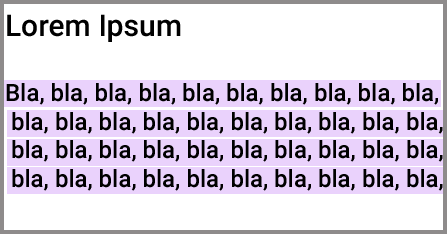
And that results in a section of a page that looks like this:
Mueller continued:
“… anchors, as in links with #hashtags [*] – to link to a specific part of a page. You see that when you click on a link in the search results and it highlights a sentence (called “text fragments”). Sometimes this is used to report in Search Console in your performance report.
… That’s where these are from. They’re not indexed like that. I don’t love that there’s a mix of canonical & non-canonical URLs in the performance report, some savvy SEOs appreciate being able to separate them out though. It’s not a sign of a problem.”
Performance Reports With #Anchor URLs
That’s a useful thing to show the non-canonicalized #anchor URLs in the performance report because it shows that this special kind of deep link search result is sending traffic. The alternative is to find the statistics in the keyword reporting but that doesn’t indicate that the traffic was from a deep link to a page section, which this kind of reporting does show.
Read Mueller’s post here.
Featured Image by Shutterstock/The Bold Bureau
Source link
[ad_2]






0 Comments